

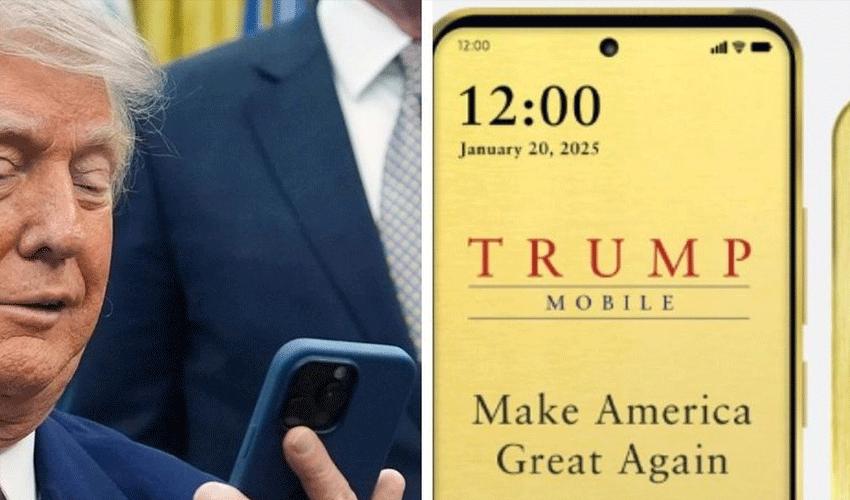
The Trump Organization on Monday launched a new mobile phone service branded Trump Mobile, offering a $499 smartphone and promising call centers based in the United States and handsets manufactured domestically.
The move marks a notable expansion of former President Donald Trump’s commercial footprint into the highly regulated U.S. telecommunications sector.
The launch is seen by analysts as part of a broader effort to appeal to conservative consumers and supporters of the former president by creating alternatives to mainstream platforms. In recent years, the Trump family’s business interests have increasingly pivoted toward digital media, cryptocurrency, and branded ventures such as Truth Social and Trump-branded stock listings.
The Trump Organization, which oversees the former president’s business holdings, stated that the wireless service would operate independently and include U.S.-based customer support, though it did not specify which mobile network operator is backing the infrastructure.
Industry experts expressed concern over the absence of publicly disclosed agreements with major telecom carriers, typically required under a mobile virtual network operator (MVNO) arrangement. A research note from Barclays’ U.S. media and telecom equity team observed, “It is quite unprecedented for a sitting president’s name to be attached to a regulated commercial service.”
The lack of clarity over the network provider has raised questions about regulatory oversight and competitive balance. The current chair of the Federal Communications Commission (FCC) has been politically aligned with the Trump administration and co-authored Project 2025, a document outlining prospective second-term policy objectives. Observers note this alignment could influence regulatory dynamics around the venture.
“This places telecom firms in a challenging position,” the Barclays note continued, “particularly those like Verizon and AT&T currently navigating merger and licensing reviews.” Analysts also cautioned that existing agreements containing “most favoured nation” clauses could face disruption if Trump Mobile receives preferential terms.
Lawrence Lessig, a constitutional law professor at Harvard University, criticised the development, stating, “No one who has been paying attention could miss that President Trump considers the presidency a vehicle to grow his family’s wealth. Maybe this example will help more come to see this undeniable truth.”
Paolo Pescatore, a London-based telecom analyst, echoed concerns, saying, “This latest move raises more questions than answers. As always, the devil is in the detail — particularly around commercial relationships and regulatory compliance.”
From a business standpoint, the venture may face stiff competition in a saturated market. David Wagner, head of equities at Aptus Capital Advisors in Ohio, suggested the service’s appeal could be limited. “Half of its addressable market is negated by political parties,” he said. “This industry already has a lot of stickiness to current providers.”
Others, however, viewed the announcement as a timely market intervention. Brian Mulberry of Zacks Investment Management pointed out that the mid-range pricing of the Trump Mobile smartphone could exert downward pressure on premium offerings from Apple and Samsung. “There’s a market for this type of device,” he said. “Competition is always good for consumers.”
Despite mixed industry reactions, the Trump Organization has not disclosed further specifications regarding the phone’s features, operating system, or compatibility with major app platforms. Nor has it outlined how the offering would comply with telecommunications regulations.
The Trump Organization’s announcement comes amid heightened scrutiny of its business dealings, particularly following Trump’s legal and political challenges. While the company has maintained that control of the enterprise lies with Trump’s children, critics argue that the overlap between political office and personal profit remains ethically fraught.